
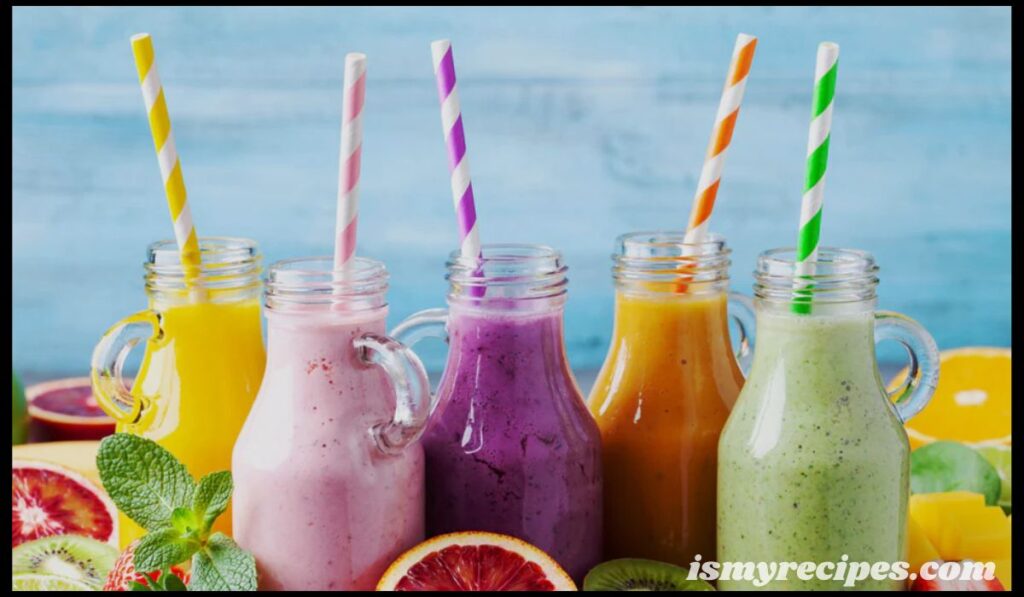
There is something magical about food that looks as beautiful as it tastes. Whether it’s a bright blue smoothie bowl, a warm golden latte, or a soft pink cupcake, colors make our meals feel happier, more inviting, and more expressive. But today, more people are moving away from artificial food dyes and leaning toward natural food coloring — a healthier, cleaner, and more nourishing way to bring color to recipes.
Natural food coloring is not just a trend; it’s a return to nature. It allows home cooks, parents, and food lovers to create colorful dishes using real ingredients that come straight from the earth. And the best part? These colors carry more than visual beauty — they bring flavor, nutrients, and pure goodness.
What Is Natural Food Coloring?
Natural food coloring simply means adding color to your food using fruits, vegetables, herbs, flowers, and superfood powders instead of chemical-based dyes.
Your kitchen can become a small laboratory of natural shades:
- Pink from beets
- Green from spinach
- Blue from butterfly pea flower
- Yellow from turmeric
These ingredients don’t just color your food — they enhance it with real taste and health benefits.
Why Use Natural Food Coloring?
1. Better for Health
Artificial colors often contain chemicals that can be harmful in the long run. Natural colors come from whole foods, making them safe for all ages, especially kids.
2. Safe for Sensitive People
Many individuals are allergic to synthetic dyes. Natural ingredients are gentler and easier for the body to process.
3. Rich in Nutrients
Beetroot adds fiber, turmeric brings antioxidants, and spirulina is a superfood. You get color and nutrition in one.
4. Beautiful, Soft, Real Colors
Natural colors give your food a warm, earthy, authentic look — not overly bright or artificial.
5. Perfect for Healthy Recipes
From smoothies to waffles to cakes, natural colors fit into all types of recipes without affecting health goals.
Best Natural Ingredients for Coloring Food
Natural coloring is simple once you know which ingredients create which shade. Here are the most popular and effective options:
Blue Color
Butterfly Pea Flower
This magical flower turns food bright blue and even shifts to purple when mixed with lemon. Perfect for drinks, waffles, and desserts.
Blue Spirulina
A powerful superfood full of antioxidants, spirulina gives a rich sky-blue hue without any strong taste.
Blueberries
A classic choice for a natural blue-purple color, ideal for baking and breakfast dishes.
Red Color
Beetroot
The most reliable natural red color. A small amount can turn your recipe deep pink or bright red.
Strawberries
Fresh or powdered, strawberries give a sweet and soft pink shade.
Hibiscus
This flower gives a tangy flavor and a beautiful rosy tone.
Green Color
Matcha (Green Tea Powder)
Bright green, earthy, and perfect for lattes, cakes, and cookies.
Spinach
A great option for smoothies, pancakes, and even pasta — without a strong flavor when used lightly.
Mint Leaves
Adds a refreshing green tint and a pleasant aroma.
Yellow Color
Turmeric
One of the strongest natural colors. Adds a warm gold shade and mild earthy flavor.
Saffron
Premium and fragrant, saffron creates a beautiful yellow-orange tone.
Mango
Perfect for desserts, smoothies, and summer-inspired dishes.
Purple Color
Purple Cabbage
Surprisingly, purple cabbage can create a bright purple dye when boiled, and it’s completely flavor-neutral.
Blackberries
Crushed or blended, they add a deep violet color.
Grapes
Great for juices, jellies, and frostings.
How to Use Natural Food Coloring in Recipes
You can add natural colors to almost any recipe. Here are a few ideas:
1. Waffles & Pancakes
- Add spirulina for blue
- Add beetroot for pink
- Add turmeric for yellow
Perfect for colorful breakfast plates.
2. Smoothies & Bowls
Blueberry, spinach, and mango make smoothie bowls more vibrant and nutritious.
3. Cakes & Cupcakes
Use fruit purees or powders to color your frosting and batter naturally.
4. Cookies & Muffins
Powders like matcha, cocoa, and blueberry powder work beautifully in baked treats.
5. Icing & Frosting
Add small amounts of natural juice or powder to achieve pastel colors.
Tips for Getting Bright Natural Colors
- Start with small amounts and build up
- Use powders for intense colors
- Mix with warm liquids to dissolve powders
- Add lemon to shift color tones (like blue → purple)
- Strain fruit purees for smooth texture
Natural colors look soft and organic — don’t expect chemical-style brightness, and that’s the beauty of it.
DIY Natural Food Coloring Recipe (Simple & Quick)
Here is how you can make a small batch of natural pink food dye:
Ingredients:
- 1 beetroot
- ½ cup water
Method:
- Chop beetroot into small pieces.
- Boil in water for 10 minutes.
- Strain the liquid — this is your pink dye.
- Cool completely and refrigerate.
This homemade color is perfect for icing, cakes, and drinks.
Are Natural Food Colors Safe?
Yes — as long as you use pure ingredients and avoid anything you’re allergic to. Natural colors are considered safe for kids, suitable for daily use, and free of chemicals and preservatives.
Conclusion
Natural food coloring is a gentle, beautiful way to bring life to your recipes. It reconnects cooking with nature, adds creativity to your meals, and helps you make healthier choices without sacrificing fun or flavor. Whether you’re making colorful breakfasts for your children or preparing Instagram-worthy treats for yourself, natural colors make every dish feel special and alive.
If you want food that’s good for your body and beautiful for your eyes, start coloring with nature today.
Read Now :- Blue Waffles Food: A Colorful Breakfast Trend Everyone Is Talking About


